Run Wild Kenya: A Safari of a Lifetime
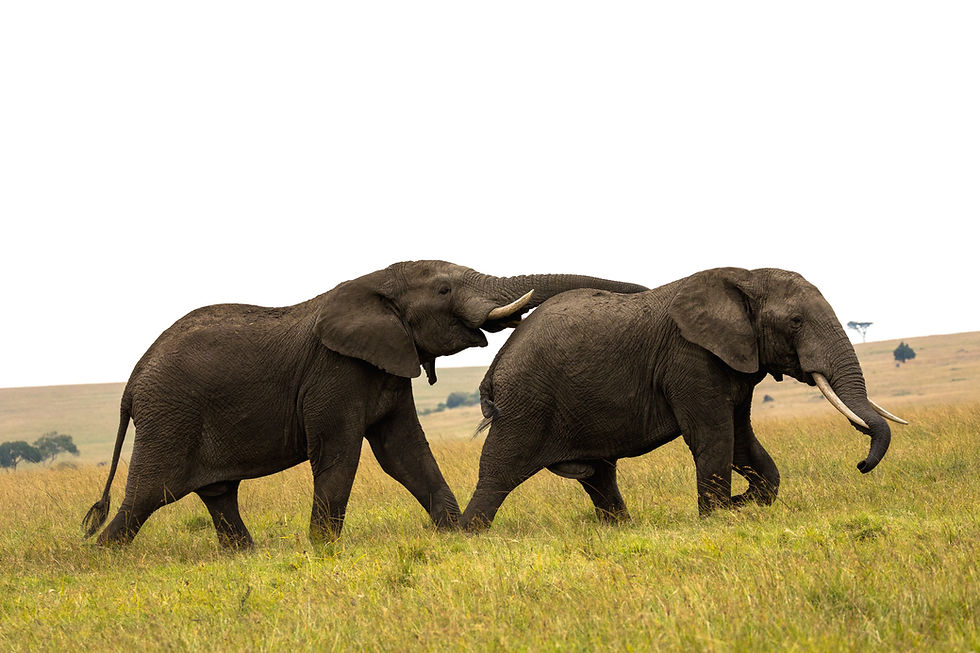
Earlier this summer, I had the opportunity to go on the safari of a lifetime: a ten-day journey through Kenya that took me from Nairobi to Lewa, Loisaba and the Maasai Mara.
I’ve spent much of my life around the safari world. I trained and worked as a safari guide in Southern Africa, and that experience shaped the way I see the wild—how I travel, what I look for in a guide, and the kind of places I want to return to. But while I had briefly worked in Tanzania, East Africa was still relatively new territory for me. Kenya, in particular, was somewhere I was genuinely excited to get to know.
The trip centred around running the Lewa Safari Marathon in support of Tusk, the conservation charity I’ve been proud to work with as an ambassador for many years. It was organised by Bella Africa Journeys alongside Cheli & Peacock—and it became far more than a race. It was an introduction to a country full of warmth, wildlife and some of the most memorable safari experiences I’ve ever had.

A warm welcome in Nairobi
The trip began with two nights at Manzili House in Nairobi, a beautiful boutique stay in the leafy suburb of Karen. It had a relaxed, personal feel—the sort of place that immediately makes you feel at home after a long journey.
From the moment I arrived, the warmth of Kenya stood out. I was met at the airport by a Cheli & Peacock representative, helped smoothly through immigration, and taken straight to Manzili House. It set the tone for the whole trip: thoughtful, welcoming and brilliantly looked after.
Nairobi is East Africa’s most cosmopolitan city, full of energy, food, music and personality. What makes it extraordinary, though, is that real wilderness sits right alongside it. Nairobi National Park is just moments from the urban sprawl: a protected landscape where rhino, lion, leopard, cheetah and giraffe live against a skyline of high-rises. I’ve never seen another city balance the buzz of a major capital with wildlife in quite the same way.
My first morning began with a training run for the Lewa Safari Marathon alongside Tuzo, who was running 25 marathons in his twenty-fifth year. Hearing what he was taking on—and why—was a great reminder of what can happen when you decide to push beyond what feels comfortable.
Conservation at the heart of the city
The following day was all about conservation.
I visited the Sheldrick Wildlife Trust, known around the world for its work rescuing and rehabilitating orphaned elephants. The elephant orphanage is at the heart of its work, but the Trust’s impact reaches much further: veterinary support, anti-poaching teams, habitat protection and community projects all play a part in protecting Kenya’s wildlife.
Spending time there, and meeting the young elephants as well as an orphaned rhino and his zebra companion, was a powerful reminder that conservation is rarely simple. It is patient, practical work carried out by people who care deeply about the animals and the landscapes around them.
From there, I headed to the Giraffe Centre. Run by the African Fund for Endangered Wildlife, it combines conservation with education and gives visitors the chance to see Rothschild’s giraffes up close. Having never seen them before, it was a real highlight—and another reminder of the extraordinary wildlife Kenya is working hard to protect.
That evening, back at Manzili House, I caught up with Bella from Bella Africa Journeys and the women behind Cheli & Peacock. It was the perfect final night in Nairobi: good conversation, good company and the sense that the real adventure was about to begin.
Into Lewa
The following morning, I flew from Nairobi’s Wilson Airport into Lewa Wildlife Conservancy.
There is something about taking a small plane into the bush that never gets old. The city disappears beneath you, the landscape opens out, and then suddenly you are touching down on a dirt airstrip surrounded by wilderness. As we landed, Lewa Safari Marathon and Tusk banners were fluttering in the wind—a reminder of why I was there and of the adventure ahead.
At the airstrip, I met Abdul, my guide for the next part of the trip. Within minutes, I knew we were going to get on. He was warm, easy-going and instantly engaging.
For me, the guide can make or break a safari. You can be in the most extraordinary landscape in the world, but it is the person beside you—their knowledge, instinct, stories and energy—who helps you understand what you are seeing. Abdul had that quality from the start.
And with the Lewa Safari Marathon waiting just around the corner, it felt like the journey had truly begun.

Elewana Lewa Safari Camp
With the exception of Manzili House in Nairobi, every property I stayed at over the following ten days was part of the Elewana Collection. I had not experienced the collection before this trip, but arriving at Elewana Lewa Safari Camp, I had a feeling I was going to be very comfortable.
For me, the best safari camps get the balance right. You want to feel looked after, but never so removed from the wilderness that you forget where you are. Elewana has really nailed that balance.
The camp had recently been renovated, with a beautiful open-plan reception area looking out towards the Lewa Hills. There was a pool, a thoughtfully designed bar and restaurant, and a lovely outdoor dining area. Everything felt polished and comfortable, but still connected to the landscape around it.
More than anything, though, it was the people who made it. The staff, guides and wider team at Elewana Lewa Safari Camp were fantastic from the start.
Learning from Lewa
I arrived a little later than the rest of the Tusk team, most of whom were also staying at the camp, so I headed straight into the pre-race briefing.
Afterwards, I had the chance to meet the Lewa operations team and learn more about the work happening across the conservancy. Lewa’s conservation model is not just about protecting wildlife; it is deeply connected to the surrounding communities, through employment, education, support and a real sense of shared responsibility for the landscape.
The work with black and white rhino was particularly impressive. I have never seen rhino in the numbers I did at Lewa, and seeing both species so regularly—and in such good condition—was genuinely special. Just as memorable was meeting the people behind the work: dedicated, knowledgeable and clearly passionate about what they do. I came away feeling that Lewa is an outstanding example of what conservation can achieve when wildlife, tourism and local communities are all part of the same conversation.
That evening, we headed up to a beautiful kopje for sundowners. International runners, Tusk supporters and the wider marathon team gathered as the light faded over the conservancy. It was a brilliant way to start the Lewa chapter of the trip—and a reminder that this was going to be more than just a race.

A safari with purpose
The following day was split in two.
The morning was spent out on safari, taking in the landscapes and wildlife that make Lewa so special. Then, around lunchtime, we joined the Tusk team and fellow international runners to visit some of the projects supported by the marathon and its fundraising.
We visited a local school where that support had helped build a library and a greenhouse. The greenhouse allows pupils to learn about agriculture and grow food for the school, helping to create more varied meals. Funding had also gone towards tablets, books and other learning materials.
What impressed me most was seeing the children learning to code. They showed us apps and games they had built themselves—far more advanced than anything I remember doing at school. It was a brilliant example of how conservation fundraising can have an impact far beyond the wildlife itself.

The Lewa Safari Marathon
Then came race day.
The Lewa Safari Marathon is a 42-kilometre run through the conservancy, made up of two 21-kilometre laps. Around 1,500 people take on the half marathon, while only about 80 continue for the full distance.
The first lap was fantastic. The setting is unlike any other marathon I have run: huge skies, open landscapes and the incredible atmosphere created by thousands of people pushing themselves while raising money for a vital conservation cause.
But it was also a long, hot day. I had torn my quad six weeks earlier, and after around 30 kilometres it finally gave up on me. The final 12 kilometres were tough—very tough—but completely worth it.
Crossing the finish line, having met some brilliant people along the way and watched Kenyan runners produce extraordinary performances across the conservancy, was an experience I will never forget. And I can confirm that a cold Tusker at the end tasted pretty special.
A final night in Lewa
That evening, we celebrated with the Tusk team at a party in the bush. It may well have been the biggest night out in Lewa—and it was certainly one of the more surreal.
Driving into camp after dark, we came across a pride of around ten lions. There are not many places in the world where arriving at a party means carefully making your way through a group of lions first. It was a very fitting end to my time in Lewa.
The next morning, it was time to head north for the next chapter of the trip: two nights at Elewana Loisaba Lodo Springs.
From Lewa to Loisaba
As we travelled north, the landscape began to change. The rolling grassland hills of Lewa gave way to rockier outcrops, thicker scrub and a more dramatic, rugged feeling. Loisaba took my breath away almost immediately.
Elewana Loisaba Lodo Springs sits high on a ridge, with each safari tent positioned to make the most of the views across the greater Loisaba Conservancy. It is another beautifully designed Elewana property, but the real luxury is the sense of space around you: huge skies, open country and the feeling that the world has gone quiet.
My two days there were packed. One of the things that makes Loisaba so special is the variety of ways to experience the landscape. Of course, there are game drives and bush walks, but there is also mountain biking, camel safaris and the chance to sleep out under the stars. The food was fantastic, the service was brilliant and, once again, I met an exceptional team.
My guide for this part of the trip was Joe: knowledgeable, warm and great company. We had a brilliant two days together.
A different kind of safari
Our first day included a more traditional safari, with some exceptional sightings: a cheetah mother with three cubs, plenty of lions and lots of elephants.
But the following morning became one of the most memorable experiences of my life.
I was welcomed by Tom, Loisaba’s Chief Executive Officer, who acquired the land many years ago, and Daniel Yiankiker, the Conservancy’s Security Manager. Daniel was absolutely fantastic: knowledgeable, generous with his time and clearly deeply committed to the work happening there.
With them and the wider operations team, I saw first-hand how conservation works on the ground. We used drones to track rhino, then headed out on foot with the anti-poaching team to follow four white rhino through the conservancy. Later, I met the canine unit and saw how bloodhounds are used as tracking dogs.
It was a real privilege to spend time with people doing that work every day. I came away impressed not just by the wildlife, but by the commitment of the people protecting it. As at Lewa, it felt like a strong example of what can be achieved when conservation is properly resourced and rooted in the local landscape.
A helicopter to Reteti
That afternoon took a completely different turn.
Bella had organised something very special: a helicopter flight with African Heli Adventures from Loisaba to Reteti Elephant Sanctuary. Flying north over the landscape was an experience in itself, but arriving at Reteti was the real highlight.
Reteti cares for orphaned elephants from the local area, many of which have been separated from their mothers after accidents such as falling into wells. I spent time with the Samburu team, met the young elephants and saw how the sanctuary’s work connects wildlife care with community opportunity and empowerment.
The elephants were absolutely gorgeous. I had the chance to hand-feed some of the orphans, as well as a reticulated giraffe—an unexpectedly sweet moment in an already extraordinary day.
From Reteti, we flew back towards Loisaba and landed on a spectacular kopje for sundowners. The views stretched out across the conservancy as the light began to fade, before we took off once more and flew back to the lodge for dinner.
It was one of those days that stays with you: conservation, wildlife, extraordinary people and a landscape that felt almost too vast to take in. My time at Loisaba was short, but incredibly special.
Into the Mara
My final stop was the Mara North Conservancy.
After the rugged landscapes of Loisaba, the view from the air changed dramatically. We were now in the classic grasslands of the Maasai Mara: wide, green plains stretching into the distance, with an atmosphere completely its own.
I arrived at Elewana Little Elephant Pepper Camp in the evening. It felt wonderfully authentic and completely immersed in the bush. My tent was open to the landscape, with breathtaking views across the Mara North Conservancy and the rolling grasslands beyond.
At the time, I was the only guest staying at the camp, which made the experience feel even more special. It felt completely off-grid—in the best possible sense.
We headed straight out on an evening game drive and were treated to huge buffalo herds, prides of lions and spectacular scenery. The birdlife, flora and fauna were incredible; there was something to take in at every turn.

Why walking safaris matter
The next morning, we were up early for a bush walk.
As a former walking safari guide, spending time on foot is still my favourite way to connect with the wild. From a vehicle, you can cover more ground and see more wildlife, but walking puts you in the environment. You notice the small details, read the tracks, listen more closely and start to feel part of the landscape rather than simply a visitor passing through it.
My advice to anyone planning their first safari—or anyone who has been a few times and wants something different—is to include a walking safari if you can. You may not see as much as you would from a vehicle, but the connection you feel to the bush is completely different.
Little Elephant Pepper Camp was the perfect place to experience that. The food and service were second to none, and it rounded off an extraordinary run of stays with the Elewana Collection. Every property had surpassed my expectations, but this final stop in the Mara North Conservancy felt particularly special.


A final night under the stars
On my last evening in the bush, I had a beautifully cooked meal and a few whiskies under the African stars.
It was one of those moments where you know a trip is coming to an end, and you are already thinking about when you might return. Lying in bed that night, listening to hyena calls and lions in the distance, I knew Kenya would become somewhere I would come back to again and again.
The following day, I flew from Mara North back to Nairobi, where the Cheli & Peacock team met me. With a few hours before my flight home, I made the most of the free afternoon and played a round of golf at Muthaiga Country Club.
Sitting on the balcony afterwards, watching the sun set over Nairobi, I had time to reflect on what had been an incredibly special trip.
My first proper Kenya safari
Kenya is a country of huge variety. In ten days, I experienced the energy of Nairobi, the rhino-rich landscapes of Lewa, the rugged beauty of Loisaba and the vast grasslands of the Mara. But as much as the wildlife and scenery stood out, it was the people and the guiding that stayed with me most.
The warmth, knowledge and professionalism I encountered throughout the trip made it feel like far more than a holiday. It was a proper introduction to a part of Africa I cannot wait to know better.
If you have the chance to visit Kenya, take it. And if you are looking to put together a truly special safari in Kenya or elsewhere in East Africa, I would wholeheartedly recommend speaking to Bella Africa Journeys.
This was a trip I will remember for a very long time.


Comments